How Swiss Oversight Shapes Transaction Security and Live Dealer Integration for Mobile Users
Swiss authorities maintain strict controls over online gambling platforms, and these rules directly influence how transaction security operates alongside live dealer services for mobile users, while operators must comply with the Federal Act on Gambling that came into force in 2019 and continues to evolve through 2026. The Eidgenössische Spielbankenkommission (ESBK) reviews licensing applications and monitors ongoing compliance, which means platforms serving Swiss residents apply encryption standards and verification processes that align with national security requirements.
Regulatory Framework Governing Mobile Transactions
Under Swiss law, licensed operators integrate multi-factor authentication and real-time monitoring systems that track payment flows from mobile devices, and these measures reduce unauthorized access while maintaining compliance with anti-money laundering provisions. Data from the Federal Office of Justice shows that transaction volumes processed through approved Swiss platforms reached several billion Swiss francs annually by the mid-2020s, which prompted further refinements to security protocols. Observers note that the framework requires operators to store user data within Swiss jurisdiction, a rule that affects how mobile apps handle payment tokens and session encryption during live dealer sessions.
Payment service providers working with Swiss-licensed casinos must obtain additional approvals, and this step ensures that methods such as bank transfers, e-wallets, and card transactions meet technical specifications set by the regulator. In August 2026, scheduled amendments to reporting thresholds for high-value transactions are expected to take effect, requiring platforms to submit automated reports on mobile-initiated payments above a defined limit. Researchers at institutions studying European gambling markets have documented how these layered approvals create consistent security baselines across different operators.
Live Dealer Technology Under Swiss Standards
Live dealer integration on mobile devices follows technical guidelines that cover video stream quality, latency limits, and player verification during active sessions, and Swiss oversight ties these elements to the same licensing conditions that govern transaction security. Operators deploy studios equipped with certified random number generators and continuous recording systems, which allow regulators to audit game outcomes and dealer conduct remotely. Those who have examined Swiss casino applications find that mobile compatibility testing forms a mandatory part of the approval process, ensuring that live streams remain stable across various network conditions common to smartphone users.
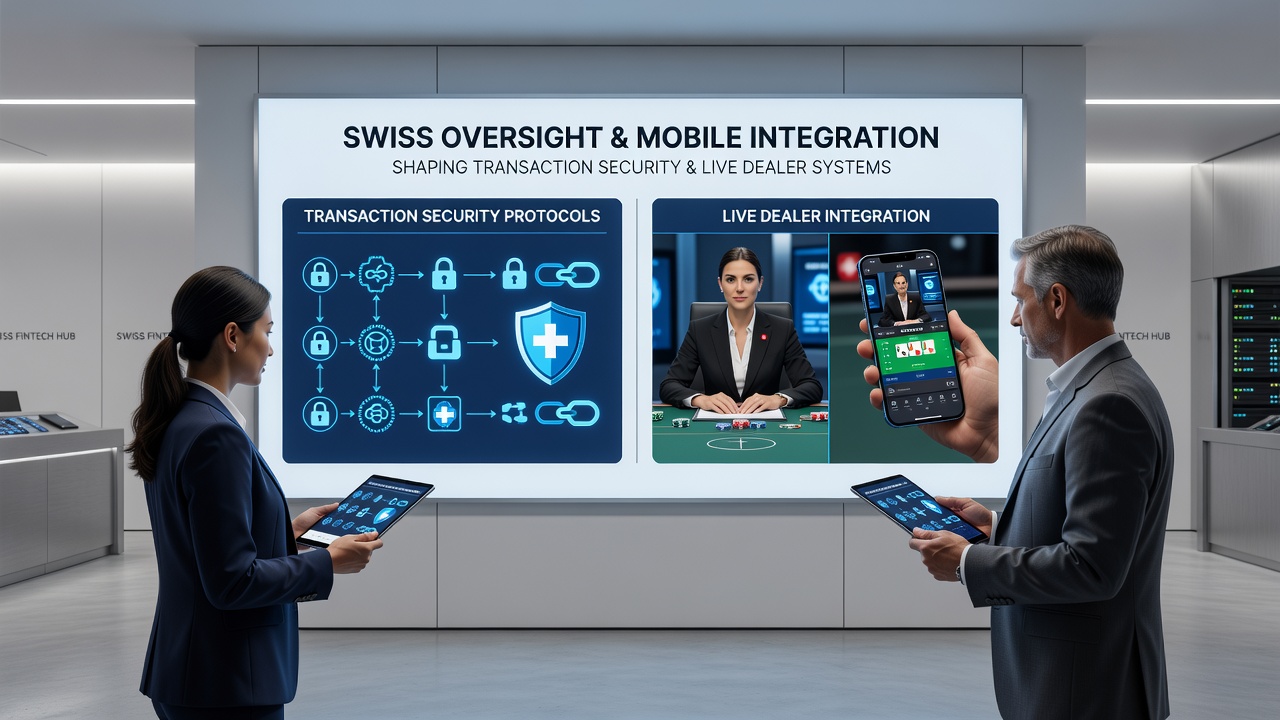
Experts tracking industry reports indicate that Swiss rules require biometric or device-based authentication before players enter live dealer tables, a measure that connects identity verification directly to the transaction layer. This approach limits account sharing and supports responsible gaming tools such as session time limits that activate on mobile interfaces. Studies conducted by European research groups have compared latency performance across regulated markets and found Swiss platforms maintain competitive standards while adhering to stricter data localization rules than many neighboring jurisdictions.
Security Protocols and Mobile User Experience
Mobile users encounter transaction security features that include tokenization of payment details and end-to-end encryption during deposits and withdrawals, and these elements operate in tandem with live dealer authentication checks. Swiss regulations prohibit operators from storing full card numbers on user devices, which shifts responsibility to secure server environments monitored by the licensing authority. Industry associations representing gaming technology providers have published technical papers detailing how these constraints influence app architecture for both iOS and Android platforms serving Swiss customers.
Live dealer games must incorporate real-time fraud detection that cross-references player behavior with transaction patterns, and regulators review these systems during periodic audits. One documented case involved an operator adjusting its mobile verification flow after ESBK feedback, resulting in faster session starts without compromising security thresholds. Data released through official channels shows declining rates of disputed transactions on platforms that fully implement the combined security and live dealer requirements.
Developments Expected by August 2026
Planned regulatory updates in August 2026 focus on expanding digital identity verification methods for mobile users, which will likely affect both transaction processing speeds and entry into live dealer environments. The changes build on existing requirements for two-factor authentication and aim to accommodate newer smartphone security features such as hardware-backed keys. Academic papers from Swiss universities examining gambling regulation have analyzed how incremental policy adjustments maintain high compliance levels while supporting technological innovation in mobile delivery.
Operators preparing for these updates have already begun testing enhanced encryption layers that align with projected standards, and early data suggests minimal disruption to user sessions once implemented. External analyses from North American regulatory bodies, including reports issued by the Nevada Gaming Control Board on cross-border technology standards, provide comparative context that Swiss authorities reference during policy reviews.
Conclusion
Swiss oversight establishes clear technical and procedural requirements that shape transaction security and live dealer integration for mobile users through licensing conditions, ongoing audits, and scheduled regulatory updates. The framework connects payment verification with game integrity measures, producing consistent standards across licensed platforms. As amendments scheduled for August 2026 approach, operators continue to align their mobile systems with evolving specifications while maintaining compliance with the Federal Act on Gambling and related directives.