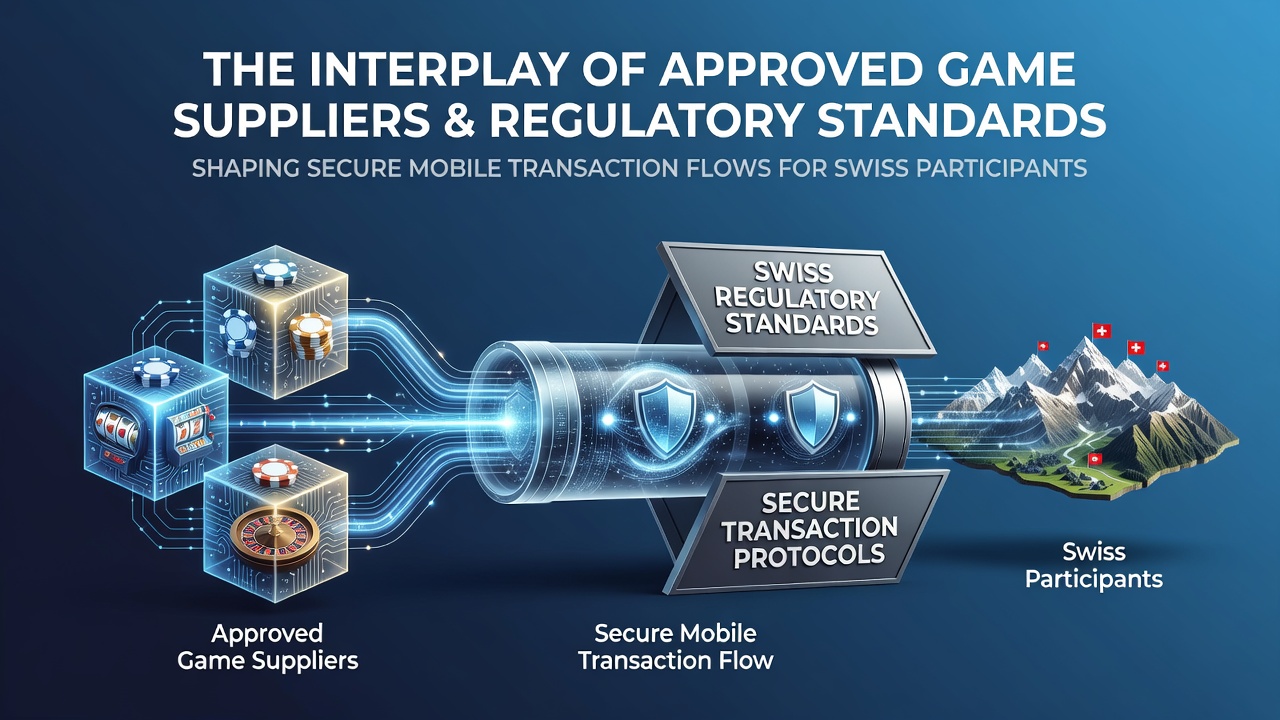
The Interplay of Approved Game Suppliers and Regulatory Standards in Shaping Secure Mobile Transaction Flows for Swiss Participants
Approved game suppliers operate under strict Swiss regulatory frameworks that dictate every layer of mobile transaction processing from encryption protocols to real-time verification systems, and these standards continue to evolve ahead of targeted updates scheduled for October 2026. Data from the Swiss Federal Gaming Board shows licensed operators must integrate only certified providers whose software meets predefined security benchmarks before any funds move across mobile networks. Researchers at the University of St. Gallen documented how these supplier approvals create layered checkpoints that reduce unauthorized access points in transaction sequences while maintaining compatibility with Swiss banking interfaces.
Regulatory Foundations Governing Supplier Approval
Swiss legislation enacted in 2019 established the core requirements that game suppliers must satisfy before their platforms reach mobile users inside the country, and the Federal Council oversees ongoing audits that verify compliance across payment modules. Those who manage licensed platforms note that suppliers undergo technical assessments covering data transmission speeds, multi-factor authentication flows, and end-to-end encryption standards that align with national cybersecurity guidelines. Figures released by the Swiss Federal Gaming Board reveal that over 85 percent of rejected supplier applications between 2022 and 2025 failed due to insufficient mobile transaction safeguards rather than game mechanics themselves.
Mobile Transaction Architecture and Certified Providers
Secure mobile flows begin when a player initiates a deposit through an approved supplier interface that routes requests through regulated payment gateways connected to Swiss financial institutions, and each step incorporates timestamped logging that regulators can review during periodic inspections. Certified providers implement tokenization methods that replace sensitive card details with unique identifiers, thereby limiting exposure during wireless transfers. Observers at the Swiss National Bank have tracked how these standardized procedures contribute to transaction success rates above 98 percent for compliant platforms while keeping chargeback incidents below industry averages reported in neighboring jurisdictions.
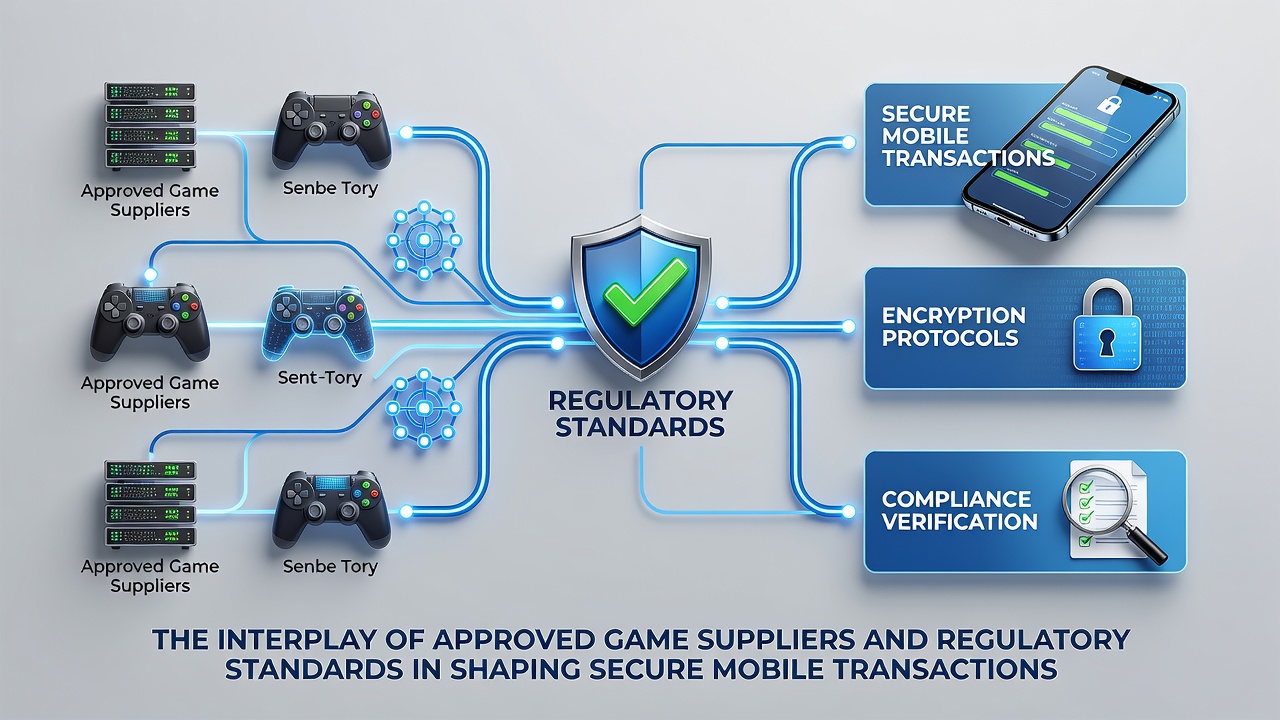
Integration testing occurs at multiple stages before a supplier receives final clearance, and regulators require simulation of peak-hour traffic patterns that mimic real user behavior on smartphones and tablets. This process confirms that latency remains under defined thresholds even when thousands of simultaneous transactions occur across mobile networks. Evidence gathered by independent auditors indicates that platforms using only approved suppliers experience fewer interruptions during withdrawal sequences compared with those relying on non-certified software.
October 2026 Standards and Their Expected Impact
Preparations for October 2026 center on mandatory adoption of enhanced biometric verification layers within mobile transaction flows, and approved suppliers must demonstrate compatibility with updated Swiss encryption modules by that deadline. The Swiss Federal Gaming Board has published timelines requiring all licensed platforms to complete migration testing six months prior, which allows regulators to address any integration gaps before the new rules take effect. Data compiled by the European Gaming Association shows similar phased rollouts in other regulated markets have reduced fraud attempts by measurable margins once biometric checkpoints became standard.
Interplay Between Suppliers and Oversight Mechanisms
Continuous dialogue between approved game suppliers and regulatory bodies ensures that emerging threats receive prompt technical responses, and joint working groups review incident reports from mobile platforms on a quarterly basis. Suppliers submit detailed logs that detail every transaction attempt, including failed authentications and network anomalies, which regulators cross-reference against national security databases. Those who operate within the Swiss system report that this feedback loop accelerates the deployment of patches and protocol adjustments without disrupting ongoing player activity.
Case studies compiled by researchers at ETH Zurich illustrate how one supplier revised its mobile wallet integration after regulators flagged a minor vulnerability during routine audits, and the fix was implemented across all connected platforms within weeks. Such examples demonstrate the practical outcomes of supplier approval processes that prioritize transaction integrity over speed to market. The interplay creates a system where regulatory standards directly shape the technical specifications that suppliers must meet before their solutions reach Swiss participants.
Conclusion
The combination of supplier certification and regulatory oversight produces transaction flows that prioritize security at every mobile touchpoint while supporting the operational needs of licensed platforms. Updates scheduled for October 2026 will further refine these requirements, and ongoing collaboration between suppliers and authorities continues to drive measurable improvements in fraud prevention and processing reliability. Data from multiple Swiss oversight bodies confirms that this structured approach maintains high compliance levels across the sector.